Buying New Construction in Vail, Corona de Tucson & Southeast Tucson: Incentives, Contracts & Tips
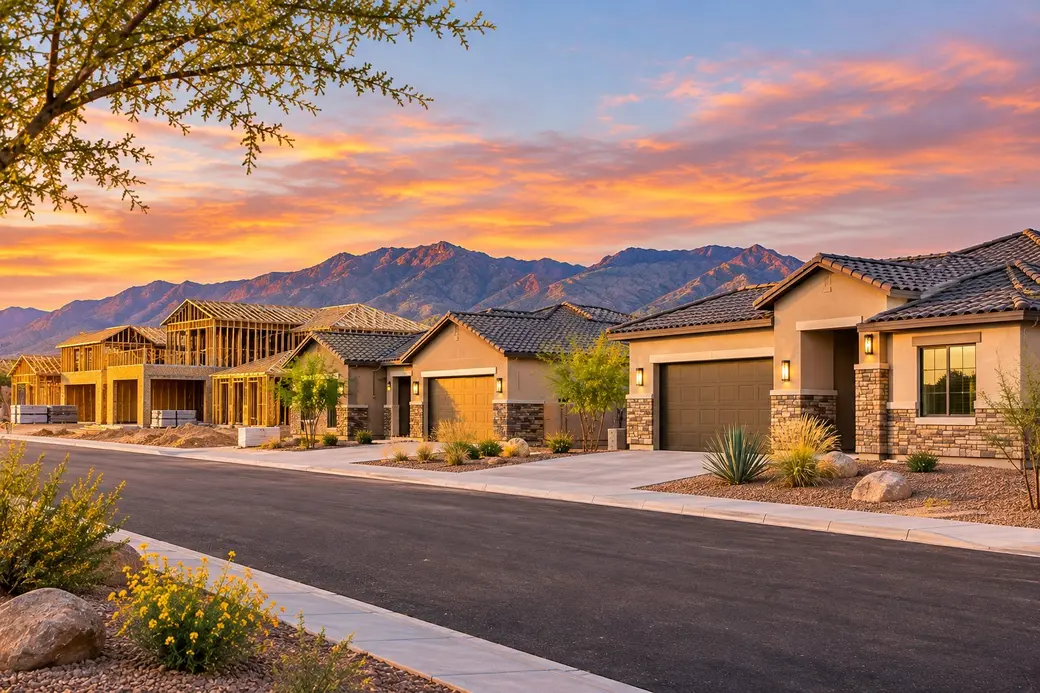
Short answer: For many buyers, yes. Vail and Corona de Tucson have one of the largest concentrations of new home communities in the Tucson area, and builders are competing hard with rate buydowns, closing-cost credits and price reductions on move-in-ready homes. Those incentives can make a new home's monthly payment lower than a comparable resale. The keys are comparing the total package, not just the advertised rate; understanding the builder's contract, which is written to protect the builder; and bringing your own agent on your first visit, at no extra cost to you in most cases.
Written by Billy Morris, REALTOR®, Associate Broker, GRI, MRP, Realty Executives Arizona Territory. Retired U.S. Army Staff Sergeant. Arizona license BR655636000. Updated November 2026.
Where new homes are being built
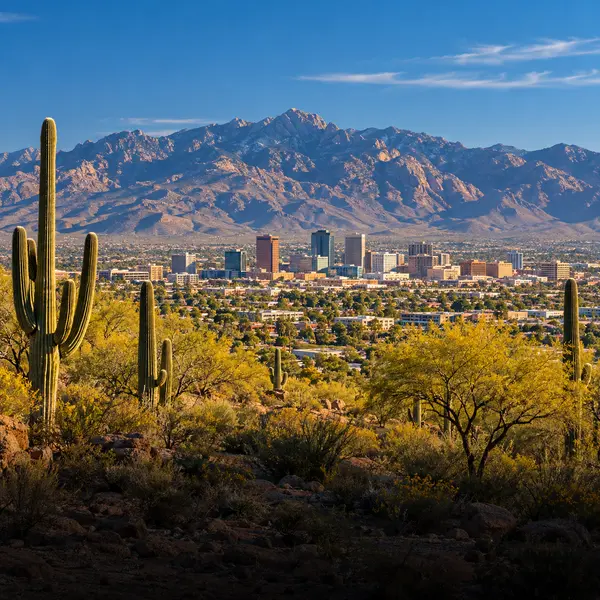
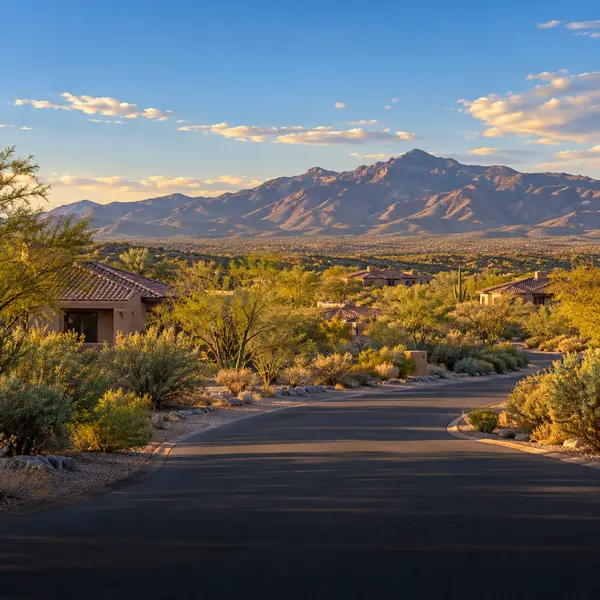
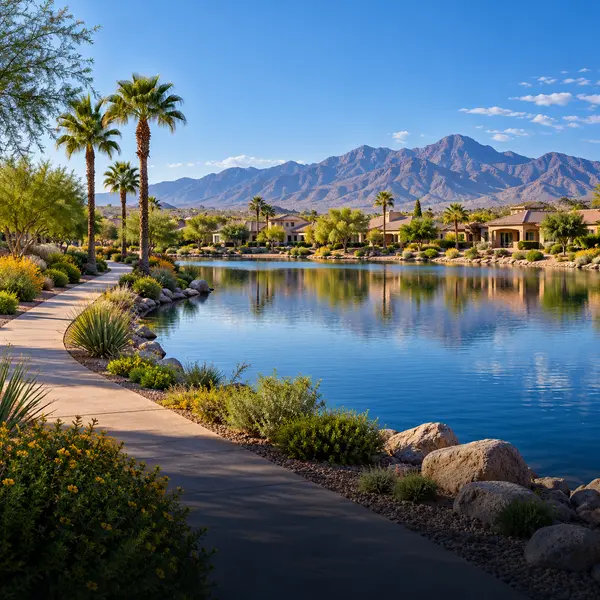
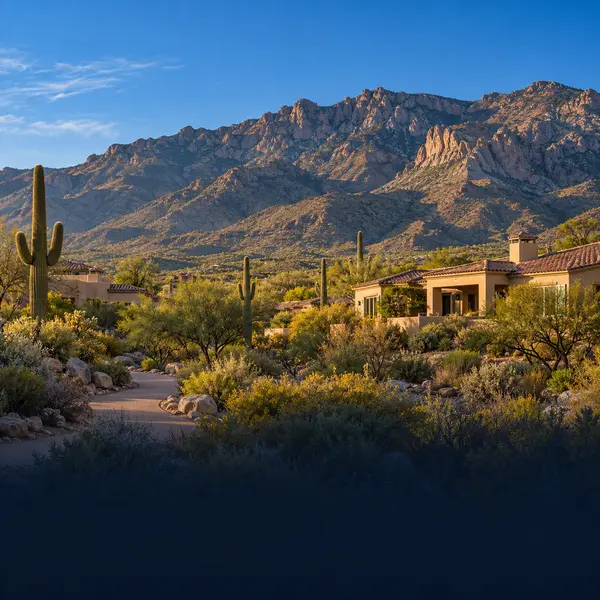
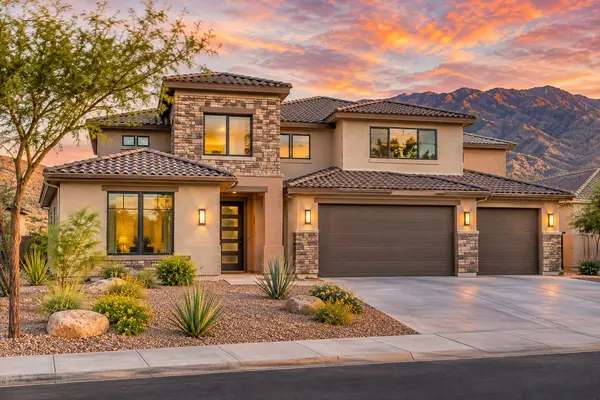
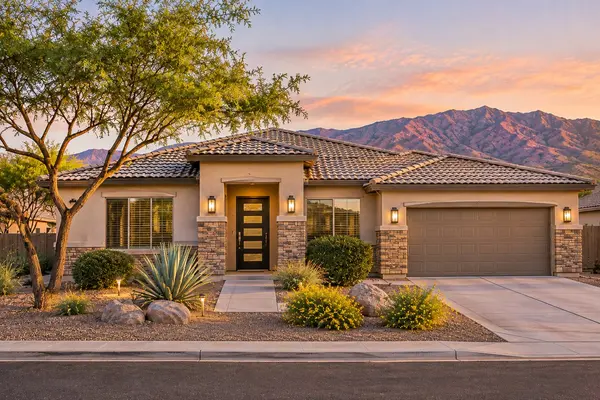
Most new construction in southeast Tucson is in and around Vail and Corona de Tucson, including the Rocking K, Sycamore Canyon, Sycamore Vista, Hanson Ridge, Rancho del Lago and Santa Rita Ranch areas. National builders active in Vail include Lennar, D.R. Horton, Meritage Homes, Richmond American Homes, KB Home and Century Complete, along with smaller and semi-custom builders (Homes.com; NewHomeSource). Advertised starting prices range from the high $200,000s to over $500,000, depending on community and plan.
Three ways to buy new:
| Type | What it is | Timeline | Best for |
|---|---|---|---|
| Quick move-in (spec or inventory) home | Already built or under construction, with finishes chosen by the builder | Often 30–90 days | Buyers who need to move soon, or want the biggest incentives |
| Build-to-order | You pick the lot, plan and finishes, and the builder starts construction | Often 6–12 months | Buyers who want to personalize and can wait |
| Semi-custom or custom | Larger lots and more design control, usually from a smaller builder | Longest | Move-up buyers with specific needs |
Builders often offer their strongest incentives on quick move-in homes, because finished, unsold homes cost them money every month (NewHomeSource).
Builder incentives, and how to compare them
The most common incentives are rate buydowns, help with closing costs and design or upgrade credits. Builders usually tie the biggest incentives to using their affiliated lender and title company, and to contracting and closing by a deadline.
Types of rate buydowns:
- Permanent buydown: the builder pays to lower your rate for the life of the loan. This has the most long-term value.
- Temporary buydown (for example, a 2-1 buydown): the rate is lower for the first one or two years, then rises to the note rate. Make sure you qualify for, and can afford, the payment after the buydown ends.
- "Introductory" or adjustable-rate offers: a low starting rate that can change later. Ask exactly when and how much it can rise.
How to compare offers:
- Compare the monthly payment and cash to close, not the headline rate. A $20,000 rate buydown can lower a payment far more than a $20,000 price cut, but only if you keep the loan long enough.
- Ask for the full incentive value in dollars, and what you'd get if you used your own lender instead.
- Get a quote from an outside lender to compare the builder lender's rate, fees and points.
- Check whether the base price was raised to fund the incentive, by comparing recent closed sales of the same plan.
- Know the deadlines. Most promotions require you to sign and close by specific dates.
- VA and USDA buyers: confirm the builder's lender offers your loan type, and that seller-paid costs fit within your program's limits.
Why bring your own agent, and when
The salesperson in the model home works for the builder. Your own agent works for you: comparing communities and incentives, reviewing the builder's contract with you, tracking deadlines, coordinating inspections and negotiating what's negotiable, such as upgrades, lot premiums, closing costs and incentives.
Bring your agent on your first visit. Most builders require your agent to accompany you or register you at your first visit to the community. If you walk in alone and register, the builder may not work with an agent later for that community. Builders typically pay the buyer's agent compensation, so it usually doesn't cost you more, but confirm the builder's policy and get it in writing.
Tip: Online sign-ups and model-home guest cards can count as your first visit. Talk to your agent before filling them out.
Builder contracts, inspections and warranties in Arizona
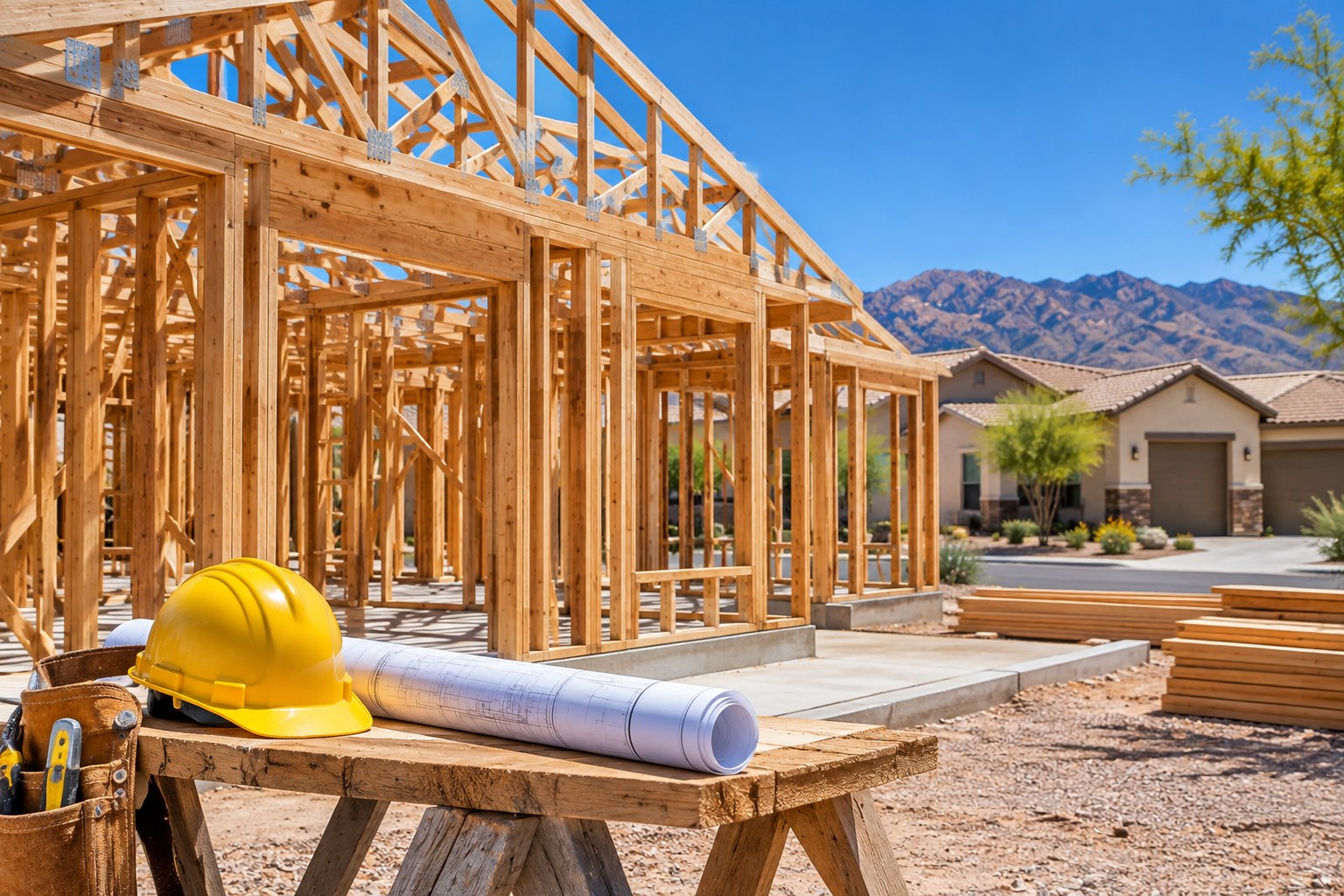
The builder's contract is different from a resale contract. Most resale homes in Arizona are bought with the standard Arizona REALTORS® purchase contract. Builders use their own contracts, written by their attorneys. Read them closely for:
- Deposits: earnest money and design or upgrade deposits, and when they become non-refundable
- Financing contingency: whether you can get your deposit back if your loan falls through, especially if you don't use the builder's lender
- Completion dates: builders usually reserve the right to delay completion
- Changes: limits on changes once construction starts, and the right to substitute materials
- Dispute resolution: many contracts require arbitration
Get independent inspections, even on a brand-new home. City and county inspectors check code compliance, not workmanship. A private inspector can catch issues the builder can fix before closing.
- Pre-drywall inspection (build-to-order): checks framing, plumbing, electrical and HVAC before the walls close
- Final inspection before your walkthrough
- 11-month inspection before the builder's one-year warranty period ends
Confirm in writing that the builder allows outside inspectors and when.
Warranties and your protections:
- Most builders provide a written limited warranty, often one year for workmanship, two years for systems and up to 10 years for structural components. Read what's covered and how to file a claim.
- Arizona law also implies a warranty of workmanship and habitability on new homes, and the Purchaser Dwelling Act (A.R.S. § 12-1361 et seq.) sets a process for construction defect claims (White and Williams).
- Builders must hold an Arizona Registrar of Contractors (ROC) license. You can look up a builder's license and complaint history on the ROC website and file a workmanship complaint with ROC if needed.
Costs to watch beyond the base price
- Lot premiums for larger, corner, view or cul-de-sac lots
- Design-center upgrades such as flooring, cabinets, counters and appliances. These can add tens of thousands of dollars, and appraisers may not value them dollar for dollar.
- Things that may not be included: backyard landscaping, fencing, window coverings, refrigerator, washer and dryer, garage door openers
- HOA dues, which vary widely by community
- Special taxing districts. Some Arizona communities have Community Facilities District (CFD) taxes on top of regular property taxes. Ask the builder and check the public report; some Vail communities advertise no CFD tax.
- Property taxes after the first year. The first tax bill may be based on the land only, before the home's value is added. Budget for the full bill.
- Builder lender and title fees. Compare them with an outside quote.
New construction vs. resale
| New construction | Resale | |
|---|---|---|
| Price negotiation | Builders protect base prices; they usually negotiate through incentives | Price, repairs and credits are all negotiable |
| Financing perks | Builder-paid rate buydowns and closing-cost help are common | Seller credits possible; some homes have assumable low-rate FHA or VA loans |
| Condition | Everything new, under builder warranty | Varies; inspection matters more |
| Lot and landscaping | Smaller lots are common; backyard may be bare | Mature landscaping; often larger lots in older areas |
| Timeline | 30–90 days for move-in-ready homes; 6–12 months to build | About 30–45 days with financing |
| Contract | Builder's own contract | Standard Arizona REALTORS® contract |
| Energy efficiency | Usually newer codes and systems | Varies with age and updates |
Bottom line: Run the monthly payment both ways. A new home with a builder-paid buydown can cost less per month than a resale at a similar price, while a resale with an assumable 3% loan can beat both. First-time buyer? See the First-Time Home Buyer Guide.
Frequently asked questions
Do I need a real estate agent to buy a new home in Vail?
You don't have to, but having your own agent costs most buyers nothing extra because builders typically pay the agent's compensation. Bring your agent on your first visit, because many builders won't work with an agent you bring later.
Can I negotiate the price on a new home?
Builders often hold base prices and negotiate through incentives instead: rate buydowns, closing costs, upgrades or lot premiums. Move-in-ready homes usually have the most room.
Do I have to use the builder's lender?
No, but the largest incentives are often tied to the builder's lender. Get an outside quote and compare the total cost.
Can I use a VA or USDA loan on new construction?
Yes. Many Vail and Corona de Tucson communities have homes that qualify, and some may be in USDA-eligible areas. Confirm the builder's lender offers your loan type.
Should I get an inspection on a brand-new home?
Yes. A pre-drywall inspection, a final inspection and an 11-month warranty inspection can catch problems while the builder is still responsible for fixing them.
What is a 2-1 buydown?
A temporary buydown where the rate is 2% lower in year one and 1% lower in year two, then returns to the full note rate in year three. Make sure the full payment fits your budget.
Who are the main builders in Vail, AZ?
National builders active in Vail include Lennar, D.R. Horton, Meritage Homes, Richmond American Homes, KB Home and Century Complete.
Talk it through
Shopping new construction in Vail or Corona de Tucson? Bring me along on your first visit, and I'll help you compare communities, incentives and contracts. Call or text Billy Morris at (520) 256-6697, or email billymorris@realtyexecutives.com.
This article is general information, not legal or lending advice. Builder incentives, prices and policies change; confirm details with the builder and your lender. For questions about a specific contract, consult an Arizona real estate attorney.
Sources
Categories
Recent Posts


JOIN MY WEEKLY INNER CIRCLE EMAIL
One useful Tucson & Vail email a week.
Found this helpful?
Know someone who's buying, selling, or renting in the Tucson area?
If this article answered a question for you, it may help someone you know. Send it to them, or send them my contact card. Most of my business comes from introductions like that. I reach out once, mention you, and never pressure anyone.
Billy Morris, REALTOR® | Realty Executives Arizona Territory | Equal Housing Opportunity